New Study Suggests that Intermittent Fasting may NOT Help You Lose Weight

Is Intermittent Fasting effective?

Fact Checked
×All the content published in our website is fact checked to validate its accuracy.
Visit our guidelines web page to learn more about our strict processes regarding how we review our content's sources: reliable and reputable journals, media websites, universities, colleges, organizations, and professionals.
Our articles are based on scientific evidence, and the references are included in their footnotes, which are clickable links to sound scientific papers.
First published: February 23, 2026
Summary: Little or no Difference vs. regular diets or no dieting
There has been a lot of hype involving intermittent fasting which is promoted in blogs, and online news articles as a tool for weight loss and improved life quality. However, studies and trials have come up with mixed, inconsistent outcomes. A randomized trial meta-analysis published on 16 February 2026, scrutinized 22 studies involving 1,995 subjects across the globe (North America, Australia, China, Denmark, Germany, Norway, and Brazil), that lasted at least four weeks, and were followed up for at least 6 months. The outcome revealed that intermittent fasting, compared to no dieting, or regular diets, showed little or no difference in weight loss or quality of life.(1)
The Study
Garegnani L.I., et al., (2026) looked into the effects of intermittent fasting compared to no diet at all, following a regular diet plan, or waiting to start a diet (waiting list). The study involved adults with obesity or overweight.
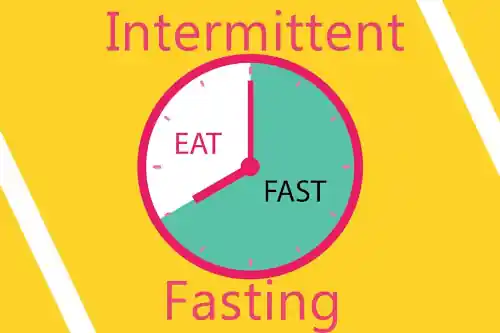
Intermittent Fasting
Intermittent fasting is a diet where one eats normal amounts of food during a specific window during the day, and during the rest of the time, does not eat at all (fasting).
There are different types of intermittent fasting. Some involve eating during a fixed time each day, of 10 or less hours (time‐restricted feeding) or fasting during one or two days of the week and eating normally the other five or six (periodic fasting). Another variety is to alternate between eating normally on some days, and eating much less (fasting or calorie restriction) on the other days, this is known as alternate-day fasting. The Modified alternate-day fasting, like the 5:2 diet, involves a drastic energy restriction for 2 days with regular, unrestricted food intake the other 5.
Some side effects like nausea, fatigue, or headache have been reported as adverse effects of intermittent fasting.
On the other hand, regular diets involve restricting the energy intake by consuming calorie-restricted diets, and following this diet every day. These diets are effective and usually reach a weight loss goal, but in the long run, they are not sustainable and weight is regained.
This study analyzed 22 studies (randomized controlled trials and cluster-randomized control trials) that were published between 2016 and 2024, and compared quality of life, and weight loss.
Findings
- Compared to traditional diets (calorie restriction or eating different kinds of foods), intermittent fasting may make little to no difference to weight loss and quality of life.
- Compared to no dietary advice or not having started a diet, intermittent fasting likely makes little to no difference to weight loss. The authors are less sure about the evidence for quality of life, and side effects.
Some studies have found that intermittent fasting could provide health benefits such as improved insulin sensitivity, lower inflammation, positive effects on cell repair, immunity, heart and cognitive health. But the mechanisms are not well understood.
Fasting also poses risks such as dehydration, a drop in blood sugar, low blood pressure, fatigue, dizziness, nausea, headache, digestive issues, feeling faint, and insomnia. There is also the risk of overeating during the window for food intake after fasting.
How does this affect You?
If you are considering adopting an intermittent fasting regime, this study suggests that its outcome will be similar to that of a regular calorie-restricted diet.
For overweight or obese people, health benefits become noticeable after a weight loss of around 5% of your body weight. This diet, didn't achieve that goal.
Follow the advice of your health care provider or a certified nutritionist to learn what strategies are the best for you.
Nevertheless, consider eating a balanced, healthy diet, with fewer processed foods, and with more fruit, vegetables, legumes, whole grain, nuts, seeds, healthy oils, fish, and quality protein. Also try to get your 150 minutes per week of moderate physical activity.
References and Further Reading
(1) Garegnani LI, Oltra G, Ivaldi D, Burgos MA, Andrenacci PJ, Rico S, Boyd M, Radler D, Escobar Liquitay CM, Madrid E. (2026). -Intermittent fasting for adults with overweight or obesity. Cochrane Database of Systematic Reviews 2026, Issue 2. Art. No.: CD015610. DOI: 10.1002/14651858.CD015610.pub2. Accessed 22 February 2026.
About this Article
New Study Suggests that Intermittent Fasting may NOT Help You Lose Weight, A. Whittall
©2019-2026 Fit-and-Well.com, 23 February. 2026. Update scheduled for 23 February. 2026. https://www.fit-and-well.com/health/intermittent-fasting-weight-loss-study-Feb-23-2029.html
Tags: weight loss, calories, diet, intermittent fasting